Showing posts with label Grow. Show all posts

Mimosa Strain

Cannabis Varieties: Mimosa Strain

The Mimosa strain is a popular cannabis variety known for its uplifting effects. It combines Clementine and Purple Punch, offering a balanced cerebral and physical stimulation mix. Mimosa is versatile for boosting energy and mood, as well as relieving stress, depression, and anxiety. We also extend invitations for feedback and comments from our audience.

Highlights

This article delves into Mimosa's various facets:

  • historical background
  • genetic makeup
  • physical attributes
  • fragrance
  • taste
  • effects
  • medicinal applications
  • cultivation recommendations

Mimosa Strain

Element

Description

Origin and Genetics Symbiotic Genetics crafted Mimosa in 2017 by combining Clementine and Purple Punch. It inherits the delightful flavors and uplifting effects of its parent strains.
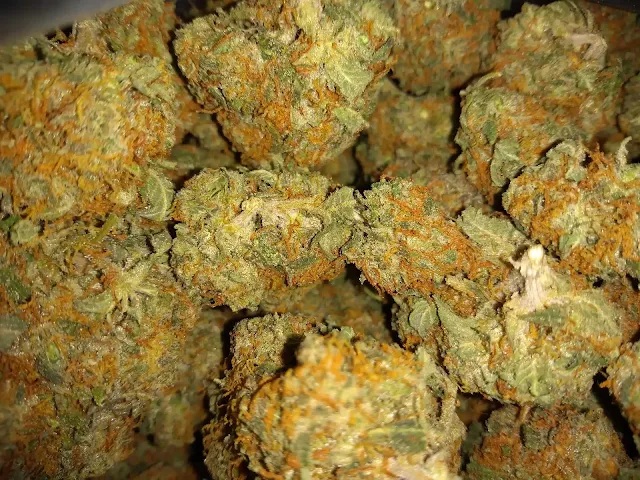
Appearance, Scent, and Taste Mimosa boasts tiny, dense, round olive-green buds adorned with dark amber hairs and white trichomes. Its aroma and flavor exhibit hints of sour, sweet, and tropical fruits, complemented by citrus, berries, and herbs.
Effects With predominantly sativa-leaning effects, Mimosa balances cerebral and physical stimulation, boosting energy, mood, creativity, relaxation, and euphoria. Its THC content ranges from 18% to 27%, delivering a potent and enduring experience.
Medicinal Uses Mimosa proves beneficial for various medical conditions, including depression, anxiety, ADHD, migraines, and appetite loss. While generally well-tolerated, it may cause dry mouth, dry eyes, paranoia, or stress, mitigated by cautious consumption and a positive mindset.
Cultivation Tips Cultivating Mimosa requires moderate to high expertise, depending on the desired THC potency. Adequate nutrients, light, temperature, humidity, and pruning are crucial for optimal growth and high yields. Harvesting can be done after 8 to 9 weeks of flowering, yielding up to 500 grams per square meter indoors or 600 grams per plant outdoors.

Origin and Genetics

Introduced by Symbiotic Genetics in 2017, the Mimosa strain is a relatively recent addition to the cannabis scene. Symbiotic Genetics, a California-based breeder known for crafting exotic strains like Banana Punch, Wedding Crasher, and Cherry Punch, garnered acclaim for Mimosa, earning accolades such as the 2018 High Times Cannabis Cup in Santa Rosa, California.

Mimosa combines the best weed strains of its parent's traits, Clementine and Purple Punch. Clementine, a sativa-dominant strain derived from Tangie and Lemon Skunk, contributes a citrusy and zesty aroma and uplifting effects. Purple Punch, an Indica-dominant strain from Larry OG and Granddaddy Purple, imparts a berry and grape essence, inducing relaxation, sleepiness, and euphoria.

Mimosa, with a 70:30 sativa to indica ratio, showcases a THC content ranging from 18% to 27%, delivering a potent and enduring high.

It's essential to differentiate Mimosa strains from similar strains like Mimosa Evo, Mimosa Cake, or Mimosa #14. Mimosa Evo, developed by Barney's Farm, boasts a THC content of up to 30% and yields 700 grams per square meter indoors or 2000 grams per plant outdoors. Mimosa Cake, a cross between Mimosa and Wedding Cake by Elev8 Seeds, offers a creamy and fruity flavor and a balanced high-enhancing mood, creativity, and relaxation. Mimosa #14, a phenotype of Mimosa selected by Phenofinder Seeds, features a more intense and complex flavor, delivering a cerebral and euphoric high.

Appearance, Scent, and Taste

Remember this: Mimosa strain's appearance captivates with tiny, dense, olive-green buds coated in amber hairs. It has a delightful aroma of sour, sweet, and tropical fruits with citrus and berry notes. The strain's pungent scent can fill a room.

Watermelon Mimosa Strain

A sativa-dominant hybrid, the Watermelon Mimosa strain is known for its sweet and fruity flavor profile, reminiscent of watermelon and citrus. It's a cross between the best weed strains in 2024, Watermelon Zkittlez and Jesus OG, boasting a high THC content ideal for stimulating appetite and providing a refreshing, balanced high promoting focus and creativity.

Purple Mimosa Strain

The Purple Mimosa strain, a hybrid of Clementine and Purple Punch, uplifts and motivates in small doses, making tasks more enjoyable. Larger doses induce sleepiness and relaxation.That strain is also known as a variant of the Mimosa strain, with a THC content ranging from 19-25%

Mimosa's aromatic profile enhances the vaping experience, offering different intensities and preservation of its natural essence. Factors influencing the experience include the device, temperature settings, dosage, and frequency.

  • Type of Device: Mimosa can be vaped using dry herb vaporizers, oil cartridges, or wax pens. Each device provides a unique experience, preserving the strain's natural flavors or offering a more potent encounter.
  • Temperature Setting: Vaping Mimosa at different temperatures affects the vapor's intensity and flavor. Lower temperatures emphasize fruity and citrusy notes, while higher temperatures bring out sour and herbal nuances. The recommended temperature range for vaping Mimosa is between 160C and 210C.
  • Dosage and Frequency: Tailoring Mimosa consumption to individual tolerance and experience levels is crucial. Lower doses suit beginners or casual users, offering a subtle and manageable high. Higher doses cater to experienced or adventurous users, providing a more robust experience. Mimosa can be vaped as needed or for a one-time session, depending on the user's purpose and occasion.

Mimosa Strain Effects

Mimosa predominantly leans toward sativa effects with a 70:30 sativa-to-indica ratio. This balance ensures a blend of cerebral and physical effects without becoming overwhelming or jittery. Mimosa offers an energetic boost, fostering creativity and happiness while inducing relaxation, all without causing sedation.

The Mimosa Strain effects are closely tied to its THC potency, ranging from 18% to 27%. THC, the primary psychoactive compound in cannabis, dictates the intensity and duration of the high. Beginners and those with lower tolerance are advised to start with small doses, gradually increasing. Experienced users can explore Mimosa's full potential while maintaining mindfulness of their consumption.

Mimosa caters to various purposes based on the time of day, mood, and activity:

  • Morning pick-me-ups: Ideal for kickstarting the day, Mimosa provides a burst of energy, motivation, and positivity, facilitating a productive start.
  • Creative projects: Mimosa's stimulating effects make it a suitable companion for artistic and inventive endeavors, encouraging imagination and originality.
  • Social gatherings: Enhancing mood, sociability, and communication, Mimosa is well-suited for social events, promoting ease and enjoyment.
  • Relaxing evenings: Mimosa's calming properties make it suitable for winding down. It offers relaxation without inducing excessive sleepiness.

Medicinal Uses

Beyond its recreational appeal, the Mimosa strain harbors medicinal benefits for physical and mental well-being. Attributed to its mood-enhancing and stress-relieving properties, Mimosa can be beneficial for various conditions, including:

Depression: Mimosa elevates mood, counteracting negative thoughts and feelings associated with depression and promoting a sense of happiness and well-being.

  • Anxiety: With calming properties, Mimosa strain can alleviate nervousness, stress, and social anxiety, fostering a more relaxed and comfortable state.
  • ADHD: Mimosa aids in improving focus, concentration, and attention span, mitigating distractibility and impulsiveness.
  • Migraines: Mimosa's analgesic properties can alleviate pain, inflammation, and pressure, potentially reducing the frequency and intensity of headaches.
  • Appetite loss: Mimosa stimulates appetite, enhancing hunger and taste perception, making it useful for individuals experiencing appetite loss.

Potential Side Effects

While Mimosa is generally well-tolerated and ranked as one of the best weed strains, there are potential side effects, especially with high doses or sensitive users:

  • Dry mouth: Mimosa may cause a temporary dryness in the mouth, which can be alleviated by staying hydrated and avoiding alcohol and caffeine.
  • Dry eyes: Mimosa can lead to dry, itchy, and red eyes, easily managed with eye drops, sunglasses, and avoiding contact lenses.
  • Paranoia: In rare cases, Mimosa strain may induce feelings of paranoia, anxiety, or fear, particularly in individuals prone to such experiences. Lower doses, familiar settings, and having a trusted companion can mitigate these effects.
  • Anxiety: Excessive consumption or unfamiliarity with Mimosa's effects may lead to anxiety or restlessness. Caution in dosage, a calm setting, and practices like deep breathing and meditation can help avoid such reactions.

Growing Tips

Cultivating the Mimosa strain requires moderate expertise. It thrives in a warm and sunny climate and is suitable for indoor and outdoor cultivation. Training and pruning may be necessary to control its potential height up to 180 cm. The buds feature shades of green, orange, and purple and are dense, sticky, and adorned with white trichomes.

Mimosa's flowering time is 8 to 9 weeks, which is relatively short for a sativa-dominant strain. Indoor cultivation can yield 400 to 500 grams per square meter, while outdoor cultivation may produce 600 to 700 grams per plant.

Key Factors Influencing Mimosa's Growth

Key factors influencing Mimosa's growth and yield include:

  • Nutrients: Mimosa benefits from a balanced, organic fertilizer with higher nitrogen during the vegetative stage and increased phosphorus and potassium during flowering. Care should be taken to avoid overfeeding, following instructions to prevent nutrient burn.
  • Light: At least 12 hours of sunlight during the vegetative stage and 12 hours of darkness during flowering are essential. High-intensity light sources like LED or HPS can enhance THC production and resin formation.
  • Temperature: Mimosa thrives in a warm and stable temperature with minimal fluctuations. While it tolerates some heat, frost or cold can be detrimental. Maintaining temperatures between 21C and 26C is crucial.
  • Humidity: Moderate to low humidity levels are preferred, gradually decreasing as the Mimosa strain matures. Adequate airflow and ventilation are essential to prevent mold and mildew. Maintaining humidity levels between 40% and 50% during the vegetative stage and 30% to 40% during flowering is recommended.

Harvesting

Harvesting and curing Mimosa involves the following steps:

  • Check the trichomes: To determine the ideal harvest time, observe the trichomes using a magnifying glass or microscope. When the trichomes are mostly cloudy with some amber, Mimosa reaches its peak potency and flavor.
  • Cut and trim the buds: Harvesting involves cutting branches and trimming buds, removing excess leaves and stems. Trimmed material can be saved for hash or edibles.
  • Dry the buds: Dry the trimmed buds in a dark, calm, and dry place with 50% humidity and temperatures between 18C and 21C. Hanging the buds upside down or using trays ensures proper drying for 7 to 10 days, maintaining moisture inside.
  • Cure the buds: After drying, cure the buds in airtight glass jars at 21C with 60% to 65% humidity. Regularly opening the jars releases moisture and gases, allowing for mold and mildew checks. Curing for 2 to 4 weeks or longer enhances flavor, aroma, and potency.

Mimosa strain, one of the best weed strains, emerges as a refreshing and invigorating strain, offering various effects and benefits depending on dosage, setting, and user preferences. Whether seeking a morning boost, creative inspiration, social enhancement, or a relaxing interlude, Mimosa presents a versatile option. Mimosa invites users to experience the essence of a champagne brunch anytime. Cheers!

How to Grow Cannabis

How to Grow Cannabis

How to Grow Cannabis: An In-Depth Manual

Embarking on growing weed at home provides a distinctive blend of satisfaction and personalization. Whether driven by the desire for a self-sufficient stash or the joy of nurturing plants, home cultivation allows enthusiasts to tailor the process to their preferences. This comprehensive guide will lead you through the essential steps of cultivating cannabis, from acquiring seeds to the intricacies of harvesting and curing your buds.

Tips for Successful Cultivation

Before diving into the specifics of growing cannabis, here are some overarching tips to set you on the right path:

  1. Choose the Right Strain: Consider plant size, flowering time, and desired effects.
  2. Understand Legalities: Be aware of local regulations to avoid legal complications.
  3. Invest in Quality Equipment: Quality tools enhance overall yield.
  4. Patience is Key: Growing cannabis demands time and attention.

Where to Buy Cannabis Seeds

The first step towards growing cannabis is answering the question of where to buy marijuana seeds. Different types of cannabis seeds are available, each corresponding to other preferences. Understanding the options and where to purchase them is crucial.

Types of Cannabis Seeds

  1. Regular Seeds: Can develop into male or female plants, providing flexibility for breeding.
  2. Feminized Seeds: Bred to produce only female plants, eliminating the need to identify and remove males.
  3. Autoflowering Seeds: Suitable for a faster harvest as they transition to the flowering stage based on age.
  4. CBD-rich Seeds: High in CBD and low in THC, offering potential therapeutic benefits without psychoactive effects.

Buying Seeds: Online vs. Local Dispensaries

Buying Online:

  • Advantages: Wider selection, discreet shipping.
  • Disadvantages: Shipping time, security concerns.

Buying from Local Dispensaries:

  • Advantages: Immediate access and local support.
  • Disadvantages: Limited selection, possibly higher prices.

Reputable Sources for Cannabis Seeds

Trustworthy seed banks such as Sensi Seeds, Royal Queen Seeds, and ILoveGrowingMarijuana (ILGM) have established credibility in the cannabis community.

How to Germinate Cannabis Seeds

Germination marks the beginning of your cannabis cultivation journey. This crucial process involves encouraging a seed to sprout and initiating the growth of a new plant.

The Importance and Process of Germination

Germination is pivotal as a dormant seed transforms into a seedling, ready to grow into a robust cannabis plant. This process activates enzymes within the seed, initiating the breakdown of stored nutrients.

Methods of Germination

Several methods exist for germinating cannabis seeds, each with its merits. Standard techniques include paper towels, a glass of water, and direct soil methods.

Tips and Tricks for Successful Germination

Boosting germination rates requires attention to detail. Tips include soaking seeds, scarifying seeds, and pre-sprouting.

How to Grow Cannabis from Seed

Cultivating cannabis from seed to harvest involves understanding and managing the plant's life stages.

Stages of Cannabis Growth

  1. Seedling Stage: Focus on early development with ample light, mild nutrients, and a stable environment.
  2. Vegetative Stage: Increased size and foliage with longer light cycles, balanced nutrients, and ample space.
  3. Flowering Stage: Triggered by changes in light cycles, focusing on bud development with adjusted conditions.

Optimal Conditions and Requirements for Each Stage

Consider light, temperature, humidity, and nutrient levels tailored to each growth stage.

Common Problems and Solutions

Despite careful cultivation, issues may arise. Common problems include pests, diseases, and nutrient deficiencies.

How to Clone Cannabis

Cloning allows growers to replicate successful plants, maintaining desirable traits. Knowing how to clone cannabis is valuable for expanding your garden without relying solely on seeds.

Benefits and Drawbacks of Cloning

  1. Benefits: Genetic consistency and faster growth.
  2. Drawbacks: Reduced genetic diversity vulnerability to pests and diseases.

Methods of Cloning

Standard methods include the cutting method, layering method, and tissue culture.

Steps and Guidelines for Successful Cloning

Select healthy clones, prepare and root them properly, and transplant them once roots are established.

How to Top Cannabis Plants

Topping is a pruning technique that involves removing the top growth of a cannabis plant to promote bushier growth, increased yields, and improved light distribution.

The Purpose and Technique of Topping

  1. Purpose: Bushier growth, increased yield, improved light distribution.
  2. Technique: Precision and timing during the vegetative stage.

Tips and Warnings for Topping

Consider timing, frequency, and recovery for successful topping.

How to Prune Cannabis

Pruning involves selectively removing parts of a plant to encourage healthier growth.

Difference and Similarity Between Pruning and Trimming

Distinguish between pruning and trimming to shape the plant and enhance bud aesthetics.

Benefits and Risks of Pruning Cannabis Plants

  1. Benefits: Improved airflow, enhanced light penetration, efficient energy distribution.
  2. Risks: Stress and increased vulnerability to pests and diseases.

Methods and Examples of Pruning

Standard pruning methods include lollipopping, defoliation, and supercropping.

How to Trim Cannabis

Trimming is the process of removing excess leaves and foliage from cannabis buds for a visually appealing and marketable final product.

Importance and Process of Trimming Cannabis Buds

Trimming serves purposes such as improving appearance, quality, and potency.

Types and Styles of Trimming

Styles include wet trimming and dry trimming, each with its benefits.

Tools and Techniques for Trimming

Equip yourself with sharp scissors, gloves, and brushes for a meticulous trimming process.

When to Harvest Cannabis

Harvesting cannabis at the right time significantly impacts the quality and potency of the final product.

Indicators and Signs of Cannabis Maturity

Consider pistil color, trichome appearance, and leaf condition to determine maturity.

Factors and Preferences Affecting Harvest Time

Account for strain-specific characteristics, potency preferences, and weed strain maturation periods.

Methods and Tools for Determining Harvest Time

Utilize magnifying glasses, microscopes, and calendars to time your harvest accurately.

How to Dry Cannabis

Drying cannabis is a crucial step for transforming freshly harvested buds into a smokable and storable product.

Purpose and Benefits of Drying Cannabis Buds

Drying prevents mold growth, enhances flavor and aroma, and ensures a smoother smoking experience.

Optimal Conditions and Requirements for Drying Cannabis

Maintain a cool, dark room with the right temperature and humidity levels for optimal drying.

Steps and Guidelines for Drying Cannabis Buds

Harvest at the right time, trim excess leaves, hang buds upside down, monitor drying progress, and store in airtight jars.

How to Cure Cannabis

Curing is the final step, which involves storing dried buds in a controlled environment to enhance flavor, aroma, and overall quality.

Difference and Similarity Between Drying and Curing Cannabis

Distinguish between drying and curing for different purposes.

Advantages and Disadvantages of Curing Cannabis

Curing improves flavor, aroma, and potency but requires time and patience.

Methods and Tips for Curing Cannabis Buds

Use airtight jars, burp the jars periodically, monitor humidity, and be patient for the best results.

Best Time When To Harvest Marijuana

When to Harvest Marijuana

Harvesting marijuana is a crucial step in the cultivation process. Timing is vital, as gathering too early can result in weak and low-potency buds while harvesting too late can lead to over-ripe and harsh buds. It's essential to understand when the optimal time to harvest marijuana is. This comprehensive guide will explore the signs that indicate when to harvest marijuana and provide detailed instructions on achieving the best results.

Determining the Best Time: When to Harvest Marijuana?

Observing the trichomes is one reliable method of determining the ideal harvest time. Trichomes are tiny, mushroom-like glands that develop on the buds and produce cannabinoids, including THC (Tetrahydrocannabinol). Monitoring the trichomes' appearance is crucial in determining the marijuana's readiness for harvest.

During the early stages of maturity, trichomes are clear, indicating that the marijuana is not yet ready for harvest. As the plant progresses, the trichomes gradually turn milky white, signifying the peak potency of the buds. This is the optimal time to harvest for most growers. However, if you prefer a soothing effect, wait until around 10-20% of the trichomes turn amber. This indicates that the THC is starting to degrade, resulting in a more relaxing high.

Another method to gauge harvest time is by observing the pistils. Pistils are tiny, hair-like structures that grow out of the buds. Initially, pistils are white, but as the plant matures, they gradually change color. When most pistils have turned brown, it is a sign that the marijuana is nearing harvest time.

Combining the trichome and pistil methods is recommended to achieve the most precise results. Once you have determined that the trichomes are primarily milky white with a small percentage of amber and most pistils have turned brown, it is the optimal time to harvest your marijuana.

Guide to The Importance of Proper Drying

Once you have determined the right time to harvest, the drying process becomes paramount in preserving the quality of your marijuana. Proper drying removes excess moisture from the buds while protecting the trichomes.

To dry your marijuana effectively, trim the buds from the plants. Next, hang the trimmed buds upside down in a dark, cool place with good ventilation. This allows the buds to dry gradually without mold or mildew formation. The drying process typically takes 7-10 days but can vary depending on environmental conditions and bud density. Monitor the drying environment closely, ensuring humidity levels remain within an appropriate range to avoid issues.

Curing for Enhanced Flavor: How to Germinate Marijuana Seeds?

Once the buds are sufficiently dry, the next step is curing. Curing is a crucial process that enhances the flavor, aroma, and overall smoking experience of your marijuana. Properly cured buds are smoother and more enjoyable.

Place the dried buds in airtight containers, such as glass jars, to begin the curing process. Fill the containers with the buds, leaving some space at the top. Store the jars in a cool, dark place with a temperature of around 60-70F (15-21C) and a humidity level of 55-65%. Open the jars daily for a short period to allow fresh air circulation and release any excess moisture. Weed can expire if avoiding particular conditions. 

Curing should last for a minimum of 2-4 weeks. However, some growers prefer a more extended curing period of up to several months to achieve the best results. During curing, the buds undergo further chemical changes, improving taste, aroma, and smoothness.

Additional Guide for Harvesting Marijuana

  • Harvest in the morning or evening when temperatures and humidity levels are lower. This reduces the risk of mold formation and preserves the quality of the buds.
  • Use sharp scissors or pruning shears to avoid damaging the buds during trimming.
  • Hang the trimmed buds in a dark, cool place with proper ventilation to ensure gradual drying.
  • Trim the buds carefully, removing any leaves or stems that are not attached to the buds. This improves the appearance and quality of the final product.
  • Curing the buds for an extended period enhances the flavor, aroma, and smoothness. Consider experimenting with different curing times to find the optimal result for your preferences.
  • Store the cured buds in airtight containers in a cool, dark place to maintain their freshness and quality for an extended period.
  • Keep in mind that the effects and potency of marijuana can vary depending on the strain, growing conditions, and individual preferences. Experimentation and experience will help you determine the optimal harvest time and curing duration for your desired results.

How to Germinate Marijuana Seeds

Germinating marijuana seeds is the initial step in growing your cannabis plants. By following these simple steps, you can increase the chances of successful germination:

  • Choose high-quality marijuana seeds from reputable sources. Consider factors such as desired effects, strain characteristics, and growing environment compatibility (indoor or outdoor).
  • Prepare a suitable germination medium. Two standard options are paper towels and soil. For the paper towel method, moisten a paper towel and place the seeds on it. Fold the towel over the seeds, ensuring they remain in contact with the moist surface. Alternatively, if using soil, prepare a well-draining potting mix and create small holes for the seeds.
  • Place the seeds in a warm and dark environment. Ideal germination temperatures range between 70-85F (21-29C). Maintain proper moisture levels without over-saturating the medium.
  • Monitor the seeds closely. Within a few days, you should start seeing signs of germination, such as the emergence of a taproot. Once the taproot appears, transferring the germinated seeds to a growing medium is time.
  • Transplant the seedlings into a larger pot filled with well-draining soil. Ensure the seedlings have adequate space for root development. Place them in a location with sufficient light and maintain proper watering and nutrient levels.
  • Continue to care for the seedlings as they grow into mature marijuana plants, following appropriate cultivation practices and adjusting environmental conditions as needed.

Understanding when to harvest marijuana and how to germinate seeds are essential skills for any cannabis grower. Proper timing, careful observation of trichomes and pistils, and precise drying and curing techniques contribute to the overall quality of your marijuana. Following the recommended guidelines and incorporating additional tips can increase the likelihood of producing flavorful, potent, and enjoyable buds. Happy harvesting and growing! You can find more exciting information in the article: The Best Weed Strains: Finding Your Perfect Match.

Harvesting Wisdom: Timing Marijuana and Elevating Vaporization with Gaia

As we delve into the optimal timing for harvesting marijuana, it's an excellent opportunity to introduce enthusiasts to a device that complements the cultivation journey. Explore our dedicated article on the Gaia Dry Herb Vaporizer, an exquisite device designed for connoisseurs who appreciate the perfect blend of elegance and precision in herbal vaporization. While perfecting your harvest timing, discover a refined vaporizing experience with the Gaia, a companion for those who seek sophistication in their cannabis consumption.

Best Time to Harvest Marijuana: Elevate Your Post-Harvest Celebration with the Wookah Dab Rig

Explore the nuances of the best time to harvest marijuana in our comprehensive guide here. As you embark on the journey of cultivating and harvesting your cannabis plants, consider enhancing your post-harvest celebrations with the premium experience offered by the Wookah Dab Rig. Uncover the features and advantages of this top-tier dab rig, designed to provide an exceptional and flavorful way to enjoy your harvested cannabis. Whether you're a seasoned cultivator or a marijuana enthusiast, these articles converge to offer a complete guide for optimizing your cannabis journey.


CONTACT US

Name

Email *

Message *

Cannabis News Today © All Rights Reserved
Made with by SEO Specialist Agency